In a historic move towards modernizing immigration systems, the British government has announced that the UK immigration system will enter a new phase of full digitization for visas, effective from February 25, 2026. This radical transformation means that all visitors requiring an entry visa to the United Kingdom will receive an electronic visa only, marking a paradigm shift in how entry and residency procedures are managed in the country.
This article aims to provide a comprehensive guide to the new UK Digital Visa, explaining what it is, the reasons behind its adoption, how it works, and the steps to apply for it.
What is the Digital Visa (eVisa)?
The Digital Visa, or eVisa, is a modern digital record that reflects a visitor’s identity and legal status in the United Kingdom. Unlike traditional visas, which were paper stickers placed in passports, the eVisa is an entirely electronic document. These electronic visas will permanently replace traditional paper visa stickers, as well as Biometric Residence Permits (BRPs) and Biometric Residence Cards (BRCs) that were previously replaced. The eVisa includes vital and comprehensive information such as the type of visa or right to permanent residence, and the conditions associated with the visitor’s status, such as the possibility of working or studying, providing greater flexibility and transparency.
Why the Shift to Digital Visas? Objectives and Advantages of the New System
This significant change comes as part of a broader strategy by the British government aimed at simplifying immigration procedures and making them faster and more secure, with a full reliance on digital solutions. The main objectives and advantages of this transformation can be summarized as follows:
- Simplified Procedures: Reducing administrative complexities associated with paper visas.
- Increased Security: Enhancing security through a digital system that is difficult to forge or tamper with.
- Efficiency and Speed: Accelerating the processing of visa applications and reducing waiting times.
- Improved User Experience: Providing a smoother and more convenient experience for visitors and residents.
- Sustainability: Reducing reliance on paper documents, contributing to environmental protection.
This update reflects the UK’s commitment to technological innovation in all aspects of government services, including immigration.
How Does the Digital Visa Work? A Practical Guide
Upon successful application for a visa or any permission to stay in the UK, the visitor will receive an eVisa. This digital visa is not just a travel document; it is a versatile tool for proving legal status. It can be used in various situations such as:
- Proving Legal Status: When applying for a new job, renting a home, or accessing public services.
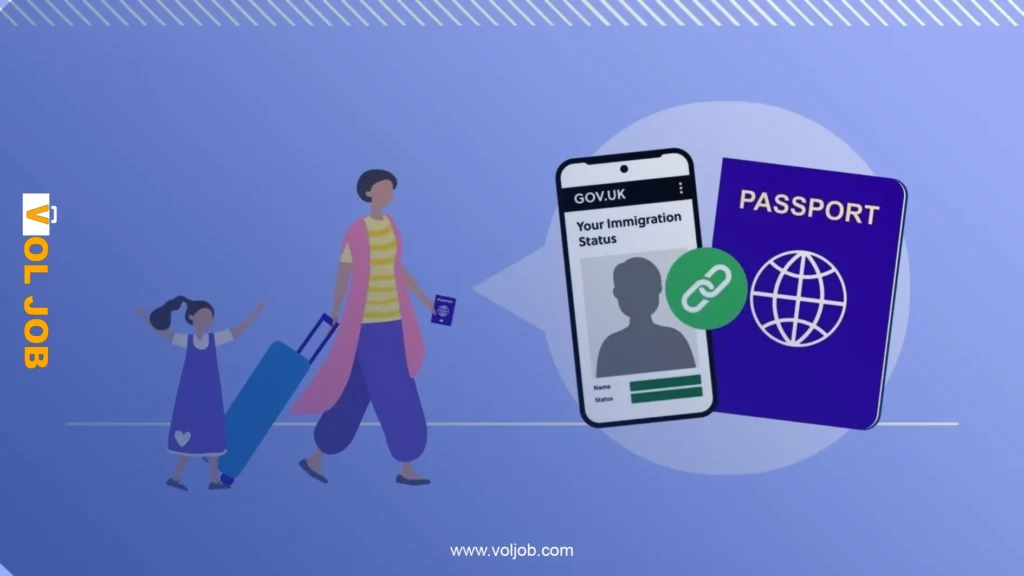
- Traveling to the UK: After linking the passport or travel document details to the digital visa, travel to the UK can be seamless.
The new system ensures that visitor information is readily available to relevant authorities, facilitating verification and reducing the need to carry physical documents.
Read Also: Job Opportunity in France: Electronics Manufacturing Worker in BISCHWILLER
How to Apply for the Digital Visa (eVisa)? Simple and Easy Steps
To apply for the digital visa, visitors must follow these steps:
- Create an account on the UKVI platform: Visitors need an account on the UK Visas and Immigration (UKVI) platform. This account can be created for free if the visitor does not already have one. This platform is the main gateway for all visa and immigration services in the UK.
- Submit the application online: After creating an account, visitors can begin the online application process, filling in all required data and uploading necessary documents.
- Link Passport: Passport or travel document details will be linked to the digital visa upon approval of the application.
It is important to note that accessing the digital visa does not require any additional fees, making the process more transparent and accessible to everyone.
Conclusion
The new UK Digital Visa system represents a significant step towards a fully digital future for immigration to the United Kingdom. This transformation not only simplifies procedures but also enhances security and efficiency, providing a better experience for travelers and residents. With this system coming into effect on February 25, 2026, the UK is preparing for a new era of digital immigration, placing it at the forefront of nations adopting advanced technological solutions in managing its borders and the affairs of its citizens and visitors.