MADRID, April 14, 2026 – In a landmark move for social justice and integration, Spanish Prime Minister Pedro Sánchez has announced that the Council of Ministers has approved a Royal Decree to initiate an extraordinary regularization process for hundreds of thousands of undocumented people living in Spain.
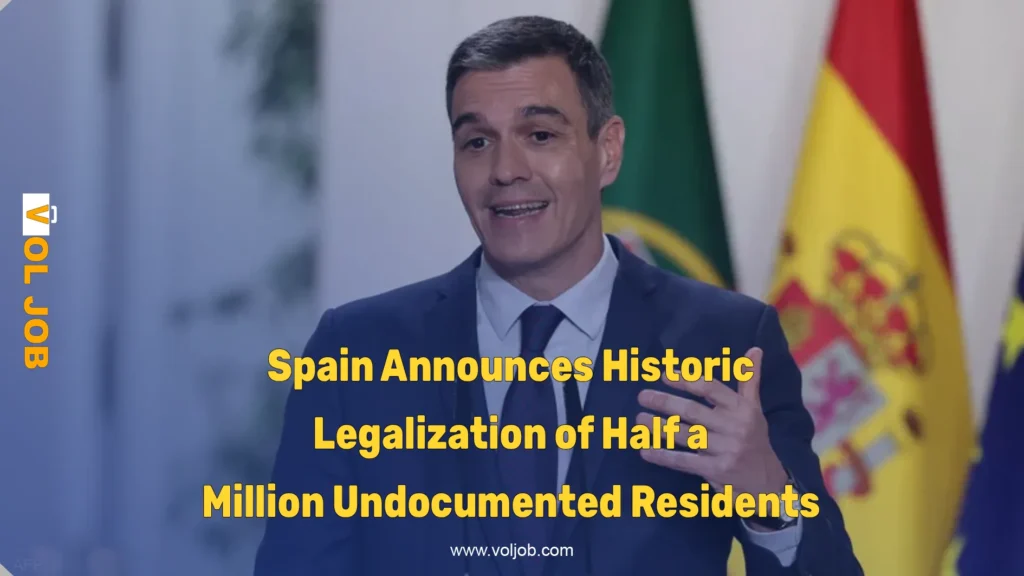
The decision is set to provide legal status to nearly 500,000 individuals (with some documents citing up to 600,000) who are already part of the fabric of Spanish society but have been living in “irregular situations.”
A Move Rooted in Justice and Reality
In a statement released today, Prime Minister Sánchez described the initiative as an “act of normalization” and a “necessity.” He emphasized that these individuals are already living, working, and contributing to the daily life of Spain.
“This is a move to recognize reality,” Sánchez stated. “It is an act of justice that acknowledges the rights of those who are already our neighbors, while also demanding the fulfillment of obligations on equal footing.”
The Power of the People
The regularization process is the result of a massive Popular Legislative Initiative (ILP). This movement garnered support from over 600,000 citizens and hundreds of organizations, including civil society groups, the Church, labor unions, and business owners.
Sánchez highlighted that this collective effort proves Spain is a country that chooses “integration over exclusion” and “prosperity over fear.”
Key Highlights of the Announcement:
Legal Status: Providing a path to residency and work permits for undocumented residents.
Economic Impact: Integration is seen as a solution to long-term economic challenges that technology and automation alone cannot solve.
Rights and Obligations: The decree aims for full equality, ensuring that new legal residents have the same rights and responsibilities as all other citizens.
Social Cohesion: The government aims to strengthen Spain’s “model of coexistence” by bringing people out of the shadows and into the formal system.
A Message of Pride
Concluding his announcement, Sánchez expressed deep pride in the Spanish people for pushing this initiative forward. “Today, once again, I feel proud to be Spanish,” he said. “Spain advances when its society gets involved.”
This move positions Spain as a leader in humanitarian migration policy within Europe, choosing a path of structured integration to ensure the country’s social and economic sustainability.
Read Also: UCLouvain MSCA Postdoctoral Fellowships 2026: Eligibility, Deadlines, and Guide